1923Physiology or Medicine
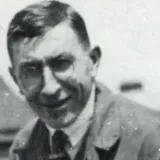
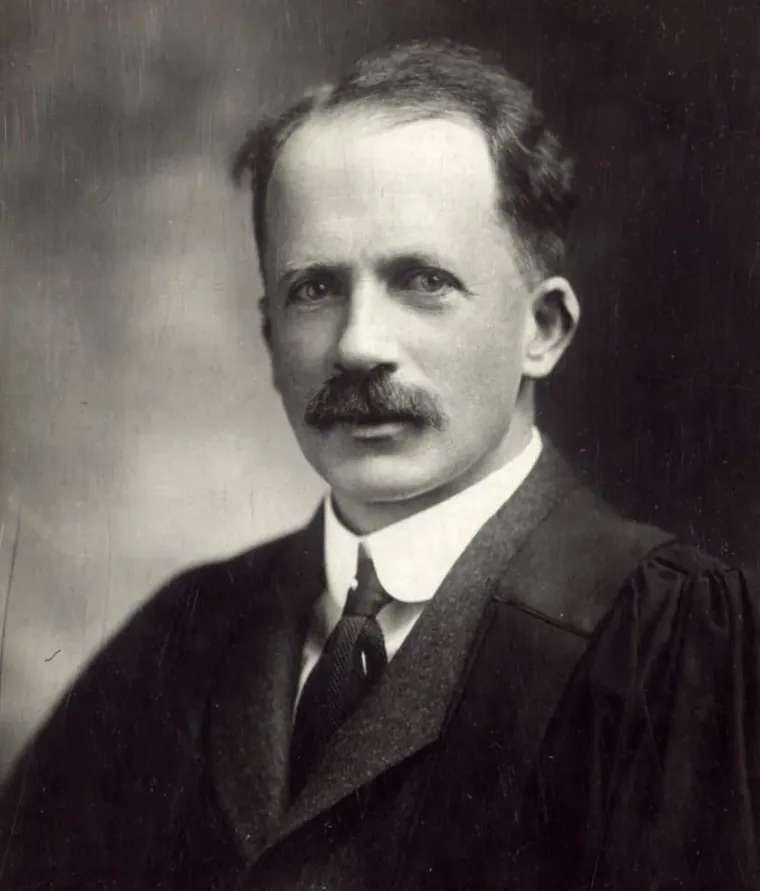
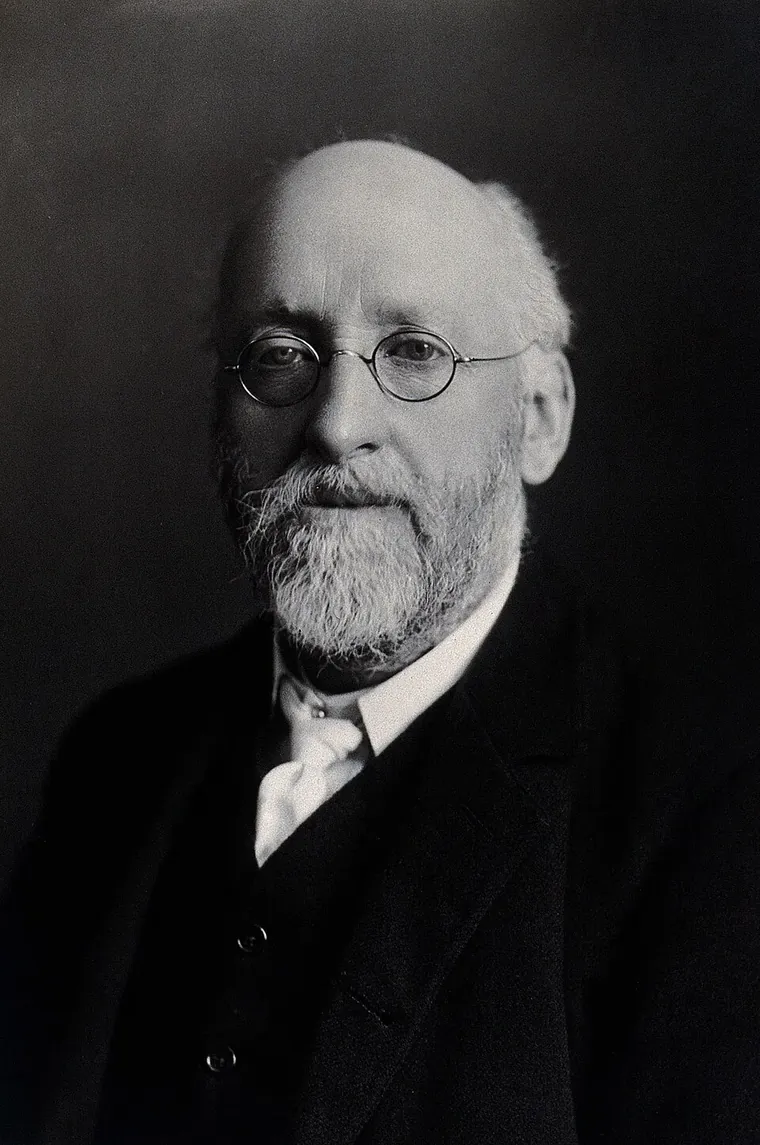
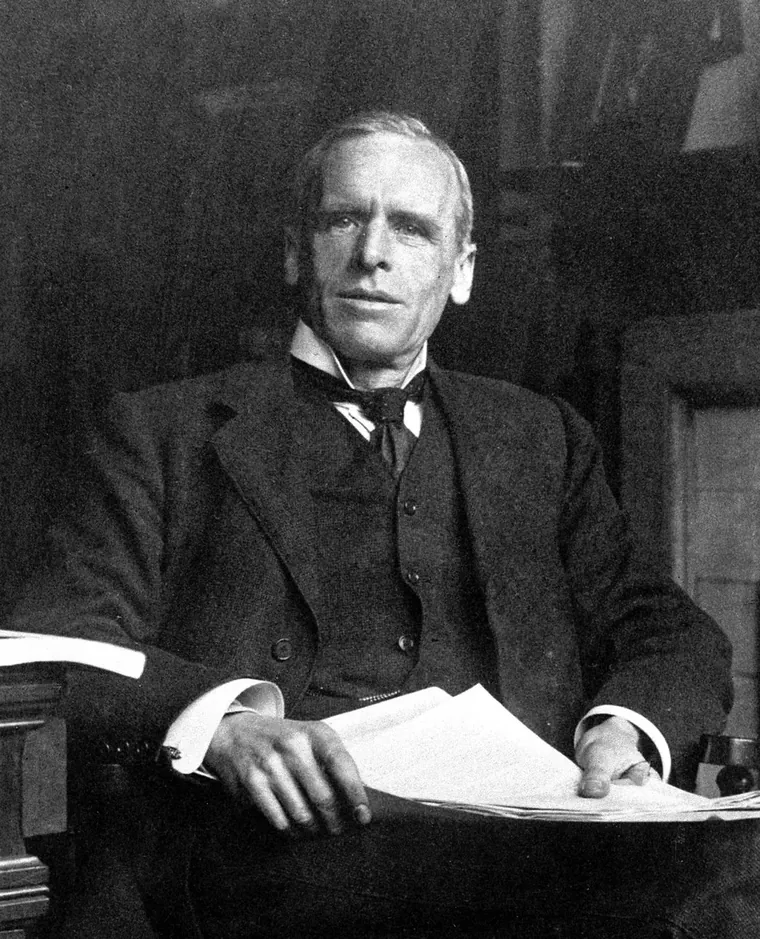
Frederick G. Banting and John J. R. Macleod
for the discovery of insulinSource: NobelPrize.org
In 1901 Emil Fischer joined two glycine molecules in a flask. In 1922 a pancreatic extract saved a 14-year-old boy in Toronto. Today more than 80 peptide drugs are approved worldwide. This is the timeline, with the source for every date.
A peptide is a short chain of amino acids joined by the bond Fischer named in 1902. They are the same language the body already uses to give orders: insulin, oxytocin, GLP-1 and ghrelin are peptides.
Many hormones and neurotransmitters are peptides. A peptide drug usually mimics or modifies a signal that already exists.
They bind their receptor with great specificity, which generally translates into fewer off-target effects than many small molecules.
Enzymes break them down quickly and their half-life is short: native GLP-2 lasts about 7 minutes. Much of the recent history is about extending their life in the body, as the modern era shows.
Source: Wang et al., 202232 milestones in four eras. Filled dots mark the moments that changed clinical practice. Each milestone links to its primary source or to an official record.
Peptides were discovered before they could be made: first in a chemist's flask, then in extracts of animal glands.
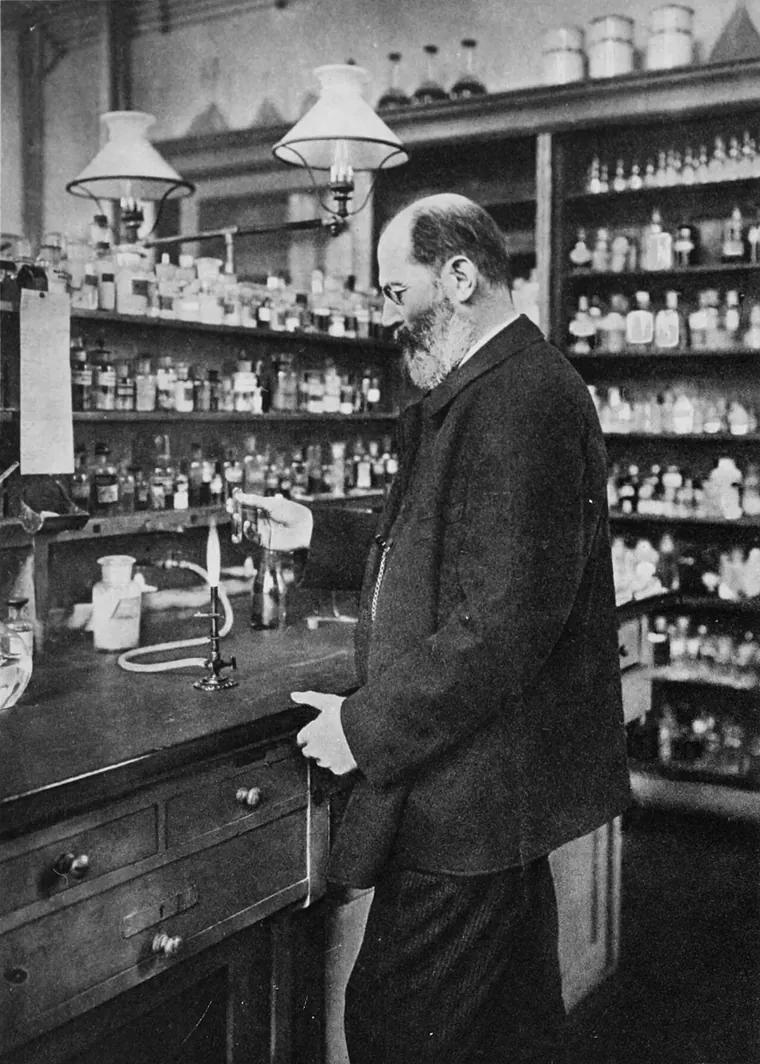
Emil Fischer and Ernest Fourneau obtain glycylglycine, two glycines joined together. It is the first peptide synthesized in a laboratory.
At the Karlsbad congress, Franz Hofmeister proposes that proteins are chains of amino acids joined by amide bonds. At the same meeting, Fischer backs the idea and introduces the term “peptide”.
William Bayliss and Ernest Starling show that an extract of intestinal mucosa, carried by the blood, stimulates pancreatic secretion. They call that substance, a peptide, secretin. In 1905 Starling uses the word “hormone” for the first time for this kind of messenger.
Henry Dale observes that extract of the posterior lobe of the pituitary contracts the uterus. It is the action of the hormone that would later be called oxytocin.
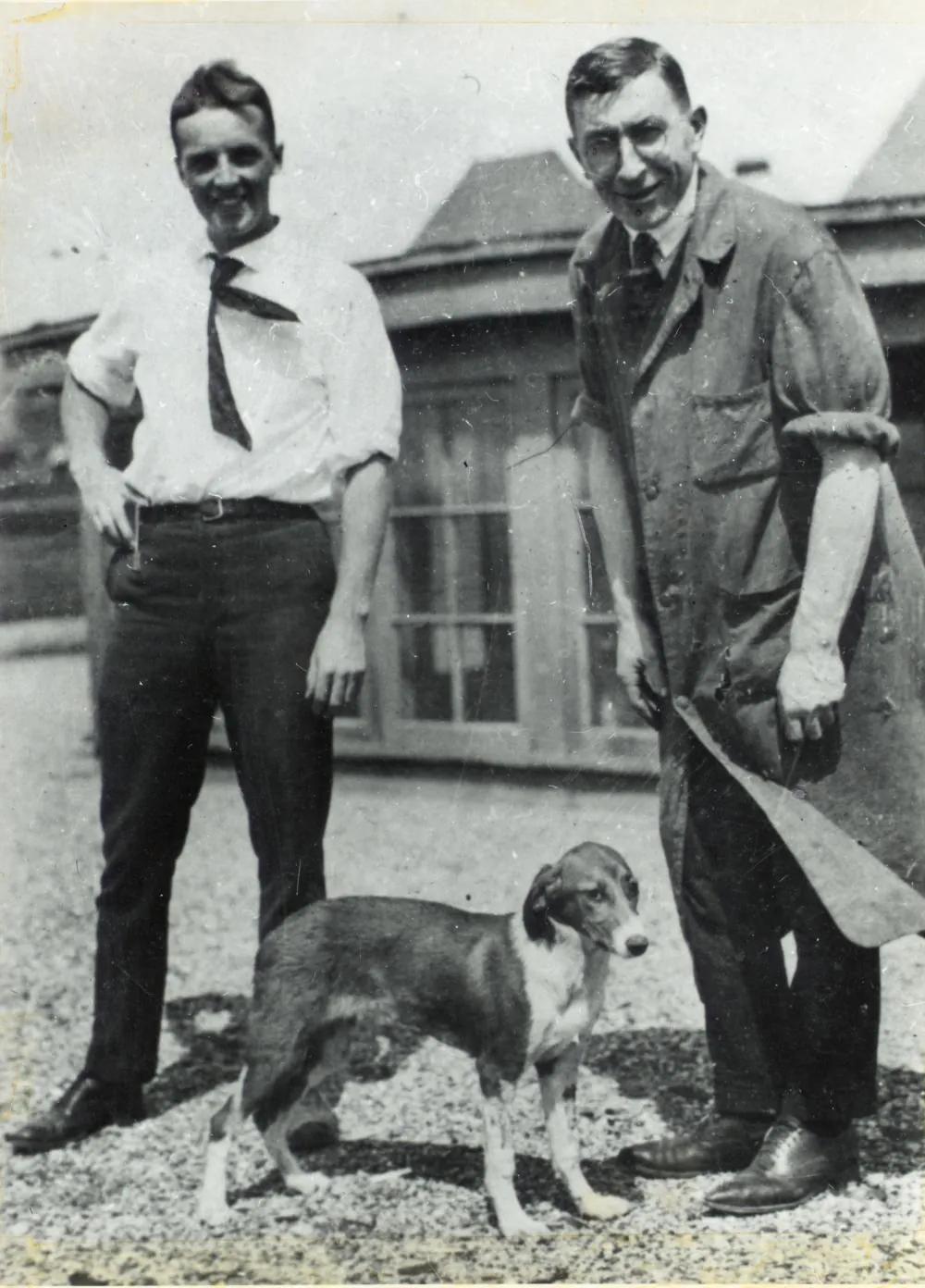
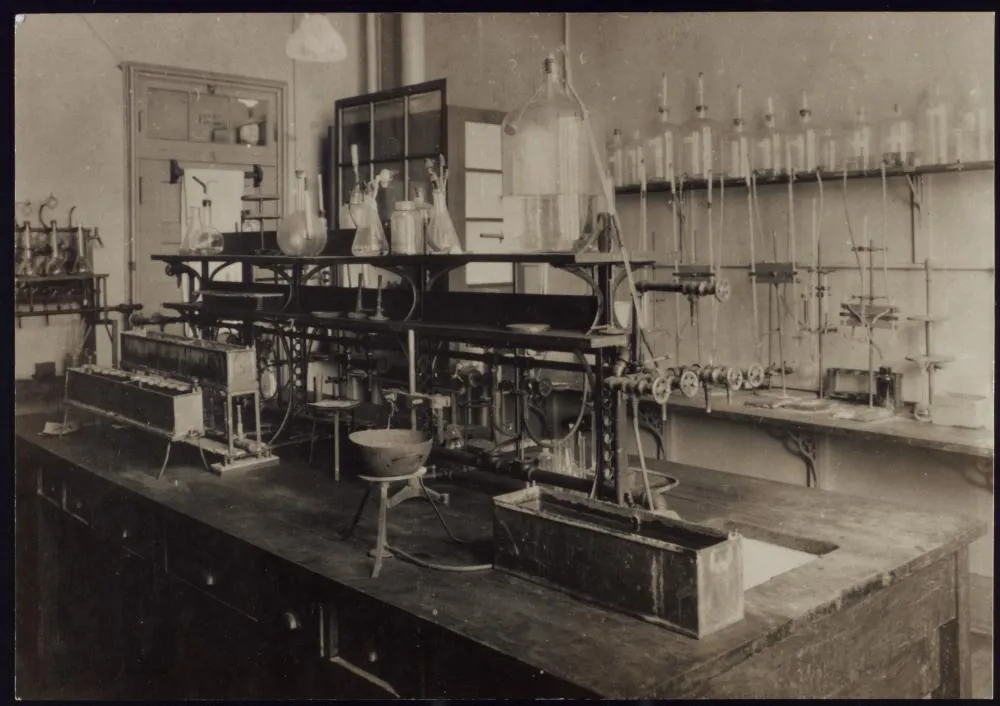
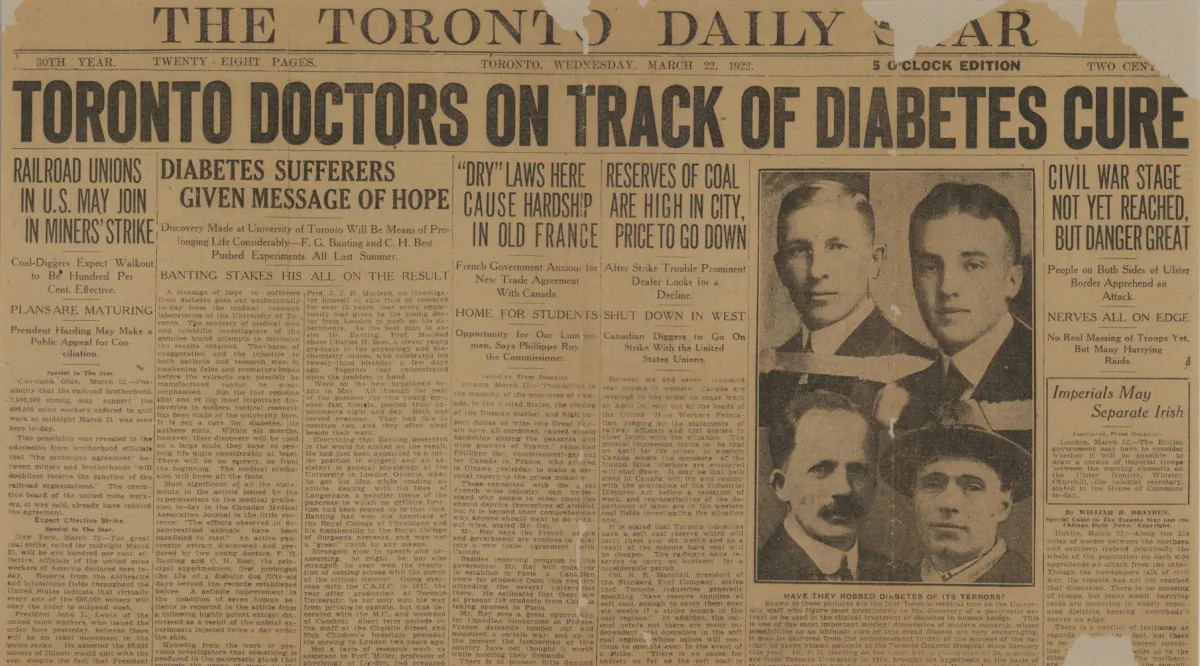
Frederick Banting and Charles Best, in J. J. R. Macleod's laboratory at the University of Toronto, obtain pancreatic extracts that lower blood glucose in diabetic dogs. Biochemist James Collip joins to purify them.
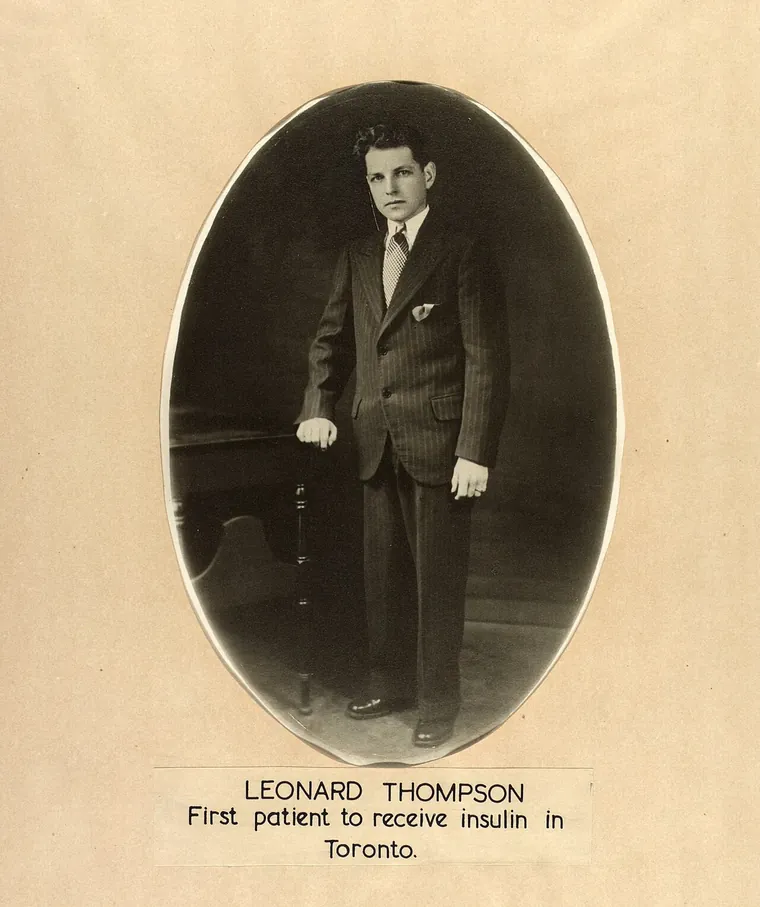
On 11 January, 14-year-old Leonard Thompson receives the first extract at Toronto General Hospital. On 23 January, with the extract purified by Collip, his glucose normalizes and his condition improves. He lived thirteen more years.
Banting and Macleod receive the Nobel Prize in Physiology or Medicine and share the prize money with Best and Collip. The team sells its patents to the University of Toronto for one dollar each. That same year Eli Lilly markets Iletin, the first commercially available insulin.
Chemistry catches up with biology: sequences are read, hormones are synthesized, and the brain turns out to communicate with peptides too.
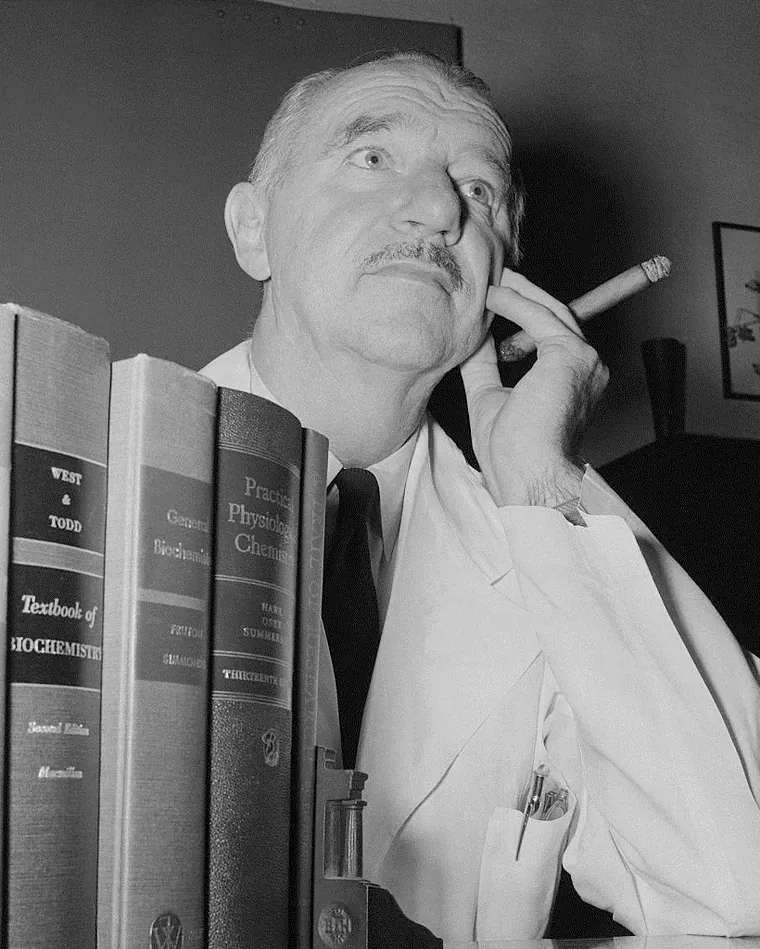
Vincent du Vigneaud determines the sequence of oxytocin, nine amino acids, and synthesizes it in the laboratory. Nobel Prize in Chemistry 1955.
Frederick Sanger completes the structure of bovine insulin: 51 amino acids in two chains linked by disulfide bridges. It is the first protein whose complete sequence is known. Nobel Prize in Chemistry 1958.
Bruce Merrifield anchors the first amino acid to a resin and adds the next ones one at a time, washing between each step. The method makes peptide synthesis fast and automatable, and it is still the basis of their chemical production. Nobel Prize in Chemistry 1984.
Allan Goldstein, Frank Slater and Abraham White partially purify from the thymus a factor that acts on lymphocytes and call it thymosin.
The groups of Roger Guillemin and Andrew Schally identify TRH (1969) and LHRH, now GnRH (1971): hypothalamic hormones that control the pituitary. Nobel Prize in Medicine 1977, shared with Rosalyn Yalow for the radioimmunoassay of peptide hormones.
Loren Pickart and Melvin Thaler describe in human serum a tripeptide that prolongs the survival of liver cells: GHK.
Guido Schoenenberger and Marcel Monnier characterize a nonapeptide that, infused into the cerebral ventricles of rabbits, enhances delta and spindle activity on the electroencephalogram.
Recombinant DNA turns bacteria into factories for human hormones, and the search for receptors reveals previously unknown peptide families.
Genentech and City of Hope get E. coli to produce the chains of human insulin from synthetic genes. The work is published in 1979.
On 28 October the FDA approves Humulin, human insulin from Eli Lilly: the first drug produced with recombinant DNA technology.
Cyril Bowers and colleagues describe a synthetic hexapeptide that acts on the pituitary and specifically stimulates the release of growth hormone.
On 18 October the FDA approves Genentech's Protropin for children with growth hormone deficiency. It replaces hormone extracted from the pituitaries of cadavers.
George Smith develops phage display: he displays peptides on bacteriophages to select, from millions of variants, those that bind to a target. Nobel Prize in Chemistry 2018.
Svetlana Mojsov, Gordon Weir and Joel Habener, in Boston, show in the perfused rat pancreas that GLP-1(7-37) stimulates insulin secretion. Jens Juul Holst and colleagues, in Copenhagen, independently reach the same conclusion in the perfused pig pancreas.
John Eng isolates exendin-4 from the venom of the Gila monster (Heloderma suspectum), a GLP-1-like peptide that years later would give rise to exenatide.
A Merck team clones the receptor for growth hormone secretagogues, the family GHRP-6 belongs to. Its natural hormone was still unknown.
Masayasu Kojima, Kenji Kangawa and colleagues discover ghrelin in the stomach, the natural ligand of that receptor.
Analogues are designed to last: from two injections a day to one a week. Between 2000 and 2022, 33 non-insulin peptide drugs were approved worldwide.
On 28 April the FDA approves exenatide (Byetta), a synthetic version of exendin-4, for type 2 diabetes.
On 25 January the FDA approves liraglutide (Victoza): an analogue with 97% homology to human GLP-1 and an attached 16-carbon fatty acid, allowing a single daily dose.
On 10 November the FDA approves tesamorelin (Egrifta), a GHRH analogue, to reduce excess abdominal fat in people with HIV and lipodystrophy.
On 5 December the FDA approves semaglutide (Ozempic), a once-weekly GLP-1 analogue, for type 2 diabetes.
On 21 June the FDA approves bremelanotide (Vyleesi), a melanocortin receptor agonist, for hypoactive sexual desire disorder in premenopausal women.
On 4 June the FDA approves semaglutide 2.4 mg (Wegovy) for chronic weight management, administered weekly.
On 13 May the FDA approves tirzepatide (Mounjaro), the first dual GIP and GLP-1 receptor agonist, for type 2 diabetes.
The Lasker~DeBakey Clinical Medical Research Award honors Joel Habener, Svetlana Mojsov and Lotte Bjerre Knudsen for the discovery and development of GLP-1-based drugs.
On 19 September the FDA grants accelerated approval to elamipretide (Forzinity), the first treatment for Barth syndrome, in patients weighing at least 30 kg. It is a tetrapeptide that binds to cardiolipin in the inner mitochondrial membrane.
How a therapeutic peptide has been obtained in each era. Each method solved a limitation of the one before: quantity, purity or the ability to modify the molecule.
Insulin was extracted from cattle and pig pancreases from slaughterhouses. It worked, but supply depended on the meat industry and the molecule was not identical to the human one.
Du Vigneaud showed that a hormone could be built amino acid by amino acid. It was a slow process, with purification at every step.
The chain grows anchored to a resin and leftover reagents are washed away. It can be automated and allows non-natural amino acids and other modifications to be introduced.
Modified microorganisms produce the exact human sequence at industrial scale. This is how human insulin and growth hormone arrived.
Amino acid changes and fatty acid chains that protect against degradation and bind to albumin: from daily to weekly doses.
23 prizes and 44 laureates. First, the six prizes awarded for work on insulin, other peptides or their synthesis; then, the prizes that provided the tools and knowledge without which peptide medicines would not exist. Quoted text is the prize motivation as published by the Nobel Foundation.
Frederick G. Banting and John J. R. Macleod
for the discovery of insulinSource: NobelPrize.org
Vincent du Vigneaud
for his work on biochemically important sulphur compounds, especially for the first synthesis of a polypeptide hormoneSource: NobelPrize.org
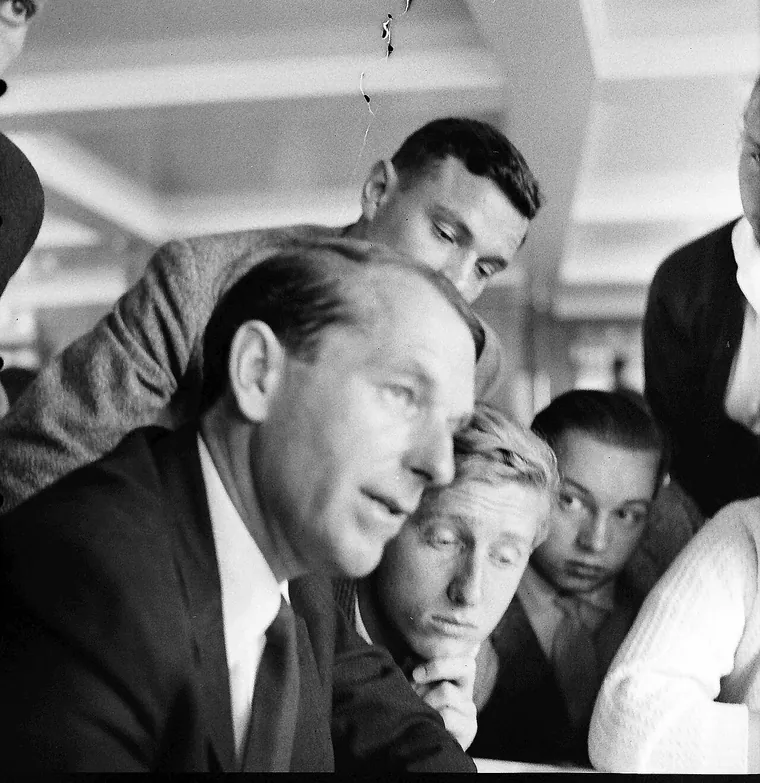
Frederick Sanger
for his work on the structure of proteins, especially that of insulinSource: NobelPrize.org
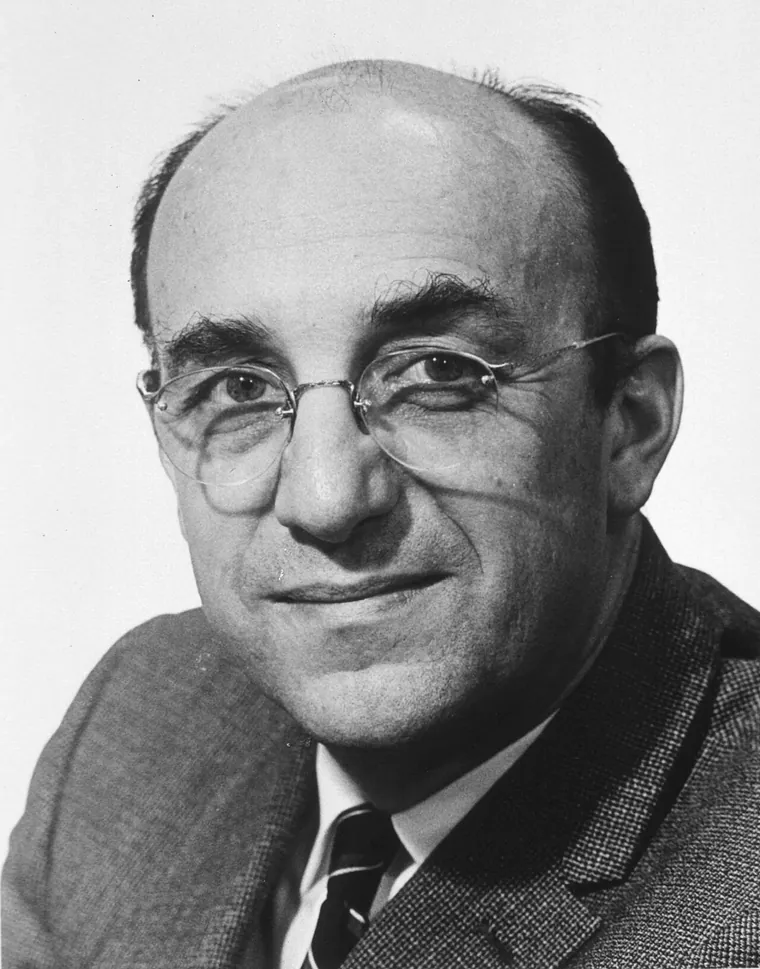
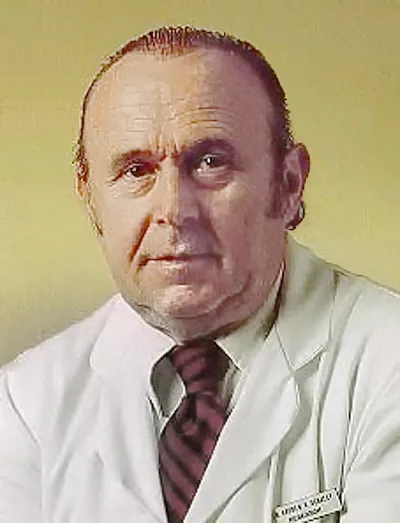
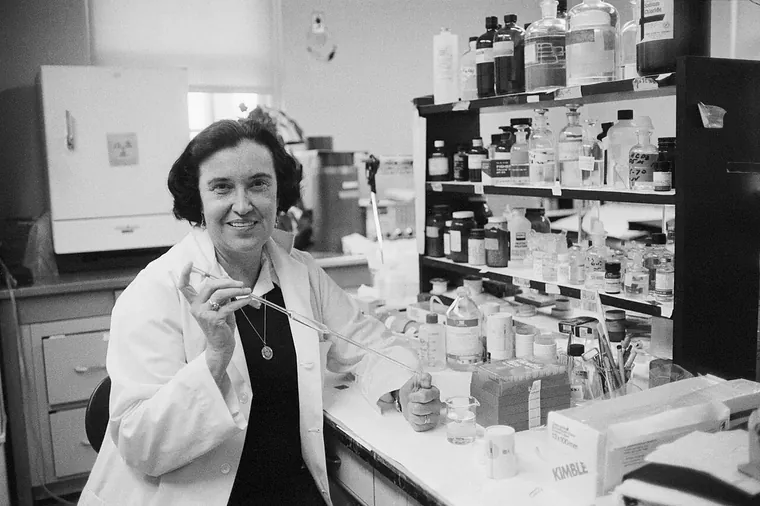
Roger Guillemin, Andrew V. Schally and Rosalyn Yalow
for their discoveries concerning the peptide hormone production of the brain
Yalow: for the development of radioimmunoassays of peptide hormonesSource: NobelPrize.org
R. Bruce Merrifield
for his development of methodology for chemical synthesis on a solid matrixSource: NobelPrize.org
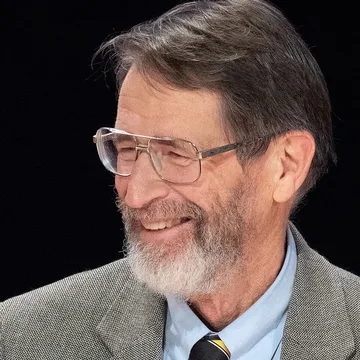
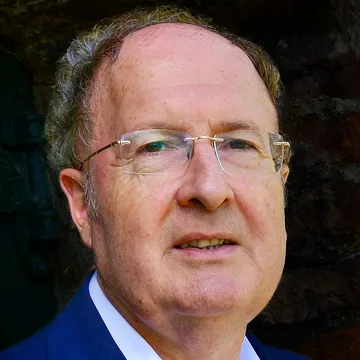
George P. Smith and Gregory P. Winter
for the phage display of peptides and antibodiesSource: NobelPrize.org
In 1977 and 2018 the prize was divided: the other half in 1977 went to Yalow for radioimmunoassay, and in 2018 to Frances Arnold for the directed evolution of enzymes.
Prizes whose motivation does not name peptides, but whose work underpins how they are discovered, made, analyzed and understood today.
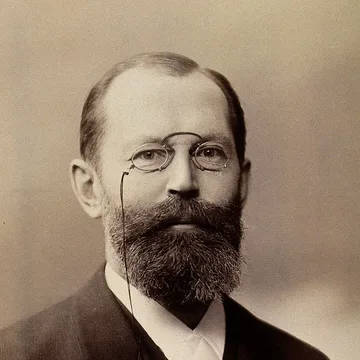
Emil Fischer
in recognition of the extraordinary services he has rendered by his work on sugar and purine syntheses
Link to peptides: He synthesized the first dipeptide (1901) and introduced the word “peptide” (1902). His prize was for sugars and purines, but he is the father of peptide chemistry.
Source: NobelPrize.org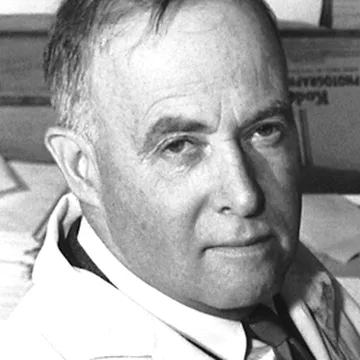
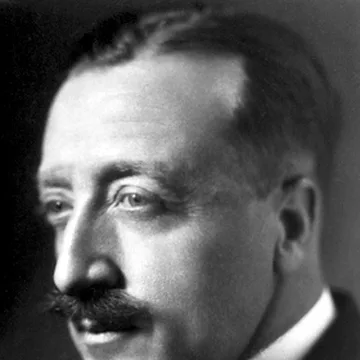
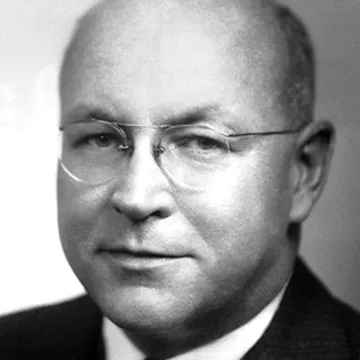
James B. Sumner, John H. Northrop and Wendell M. Stanley
Sumner: for his discovery that enzymes can be crystallized
Northrop and Stanley: for their preparation of enzymes and virus proteins in a pure form
Link to peptides: They showed that enzymes are proteins, chains of amino acids that can be purified and crystallized.
Source: NobelPrize.org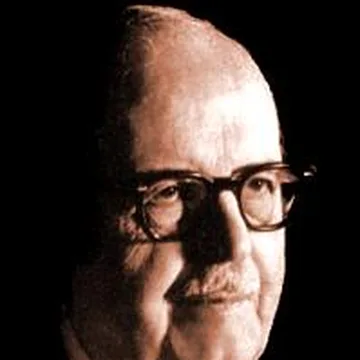
Bernardo Houssay
for his discovery of the part played by the hormone of the anterior pituitary lobe in the metabolism of sugar
Link to peptides: He showed that the anterior pituitary influences glucose metabolism, a central axis for insulin and growth hormone. (He shared the prize with Carl and Gerty Cori, awarded for glycogen metabolism.)
Source: NobelPrize.org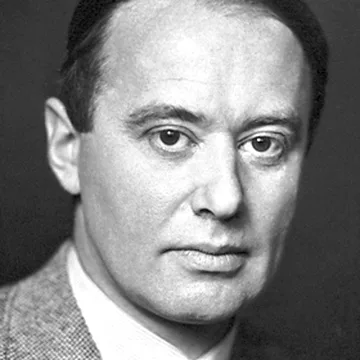
Arne Tiselius
for his research on electrophoresis and adsorption analysis, especially for his discoveries concerning the complex nature of the serum proteins
Link to peptides: Electrophoresis separates proteins and peptides by electrical charge and is still used to analyze them.
Source: NobelPrize.org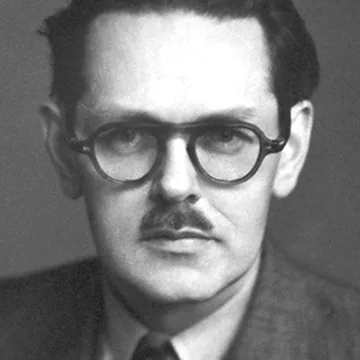
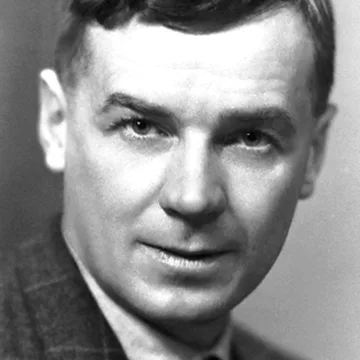
Archer J. P. Martin and Richard L. M. Synge
for their invention of partition chromatography
Link to peptides: Partition chromatography is the basis of HPLC, the method used to measure the purity of each batch of peptides. Sanger used it to sequence insulin.
Source: NobelPrize.org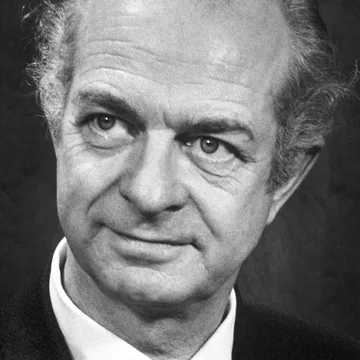
Linus Pauling
for his research into the nature of the chemical bond and its application to the elucidation of the structure of complex substances
Link to peptides: He described the planar geometry of the peptide bond and the alpha helix, one of the ways amino acid chains fold.
Source: NobelPrize.org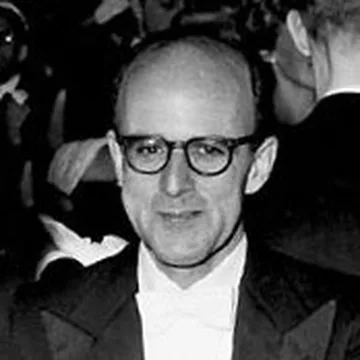
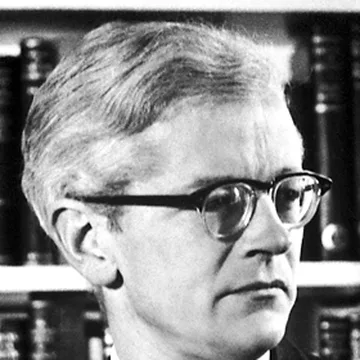
Max F. Perutz and John C. Kendrew
for their studies of the structures of globular proteins
Link to peptides: Using X-rays, they solved the first three-dimensional protein structures: hemoglobin and myoglobin.
Source: NobelPrize.org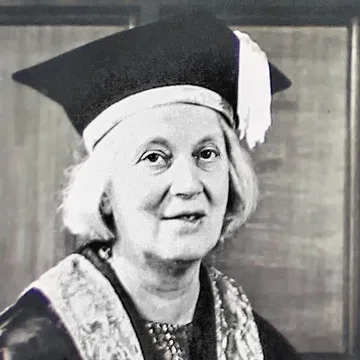
Dorothy Crowfoot Hodgkin
for her determinations by X-ray techniques of the structures of important biochemical substances
Link to peptides: A pioneer of X-ray crystallography. In 1969, five years after the prize, she solved the three-dimensional structure of insulin.
Source: NobelPrize.org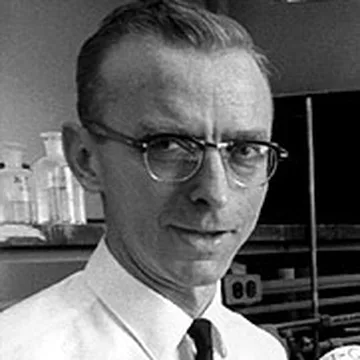
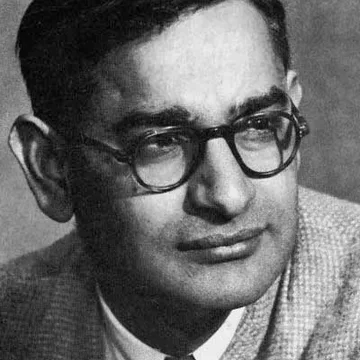
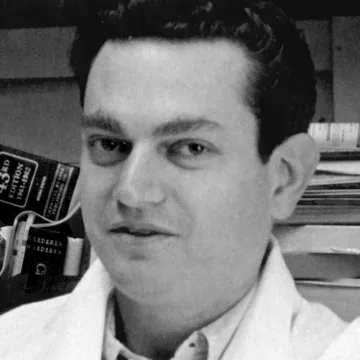
Robert W. Holley, H. Gobind Khorana and Marshall W. Nirenberg
for their interpretation of the genetic code and its function in protein synthesis
Link to peptides: They deciphered how DNA specifies the order of amino acids in peptides and proteins.
Source: NobelPrize.org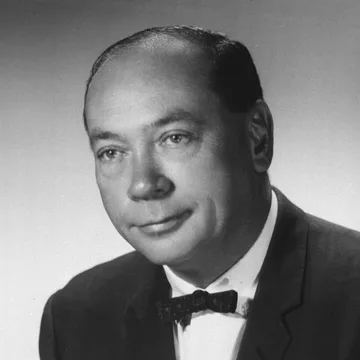
Earl W. Sutherland Jr.
for his discoveries concerning the mechanisms of the action of hormones
Link to peptides: He discovered cyclic AMP, the second messenger through which hormones such as glucagon and adrenaline act.
Source: NobelPrize.org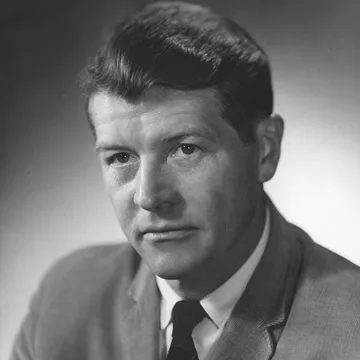
Christian B. Anfinsen, Stanford Moore and William H. Stein
Anfinsen: for his work on ribonuclease, especially concerning the connection between the amino acid sequence and the biologically active conformation
Moore and Stein: for their contribution to the understanding of the connection between chemical structure and catalytic activity of the active centre of the ribonuclease molecule
Link to peptides: Anfinsen showed that the amino acid sequence determines the active shape of a protein. Moore and Stein developed automated amino acid analysis.
Source: NobelPrize.org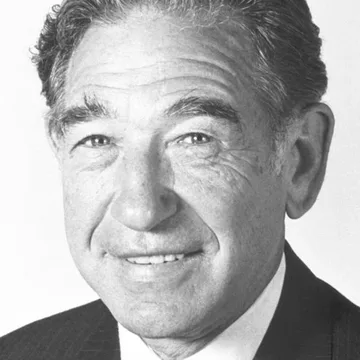
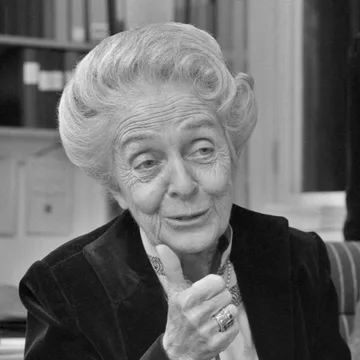
Stanley Cohen and Rita Levi-Montalcini
for their discoveries of growth factors
Link to peptides: They discovered nerve growth factor (NGF) and epidermal growth factor (EGF), a 53-amino-acid polypeptide.
Source: NobelPrize.org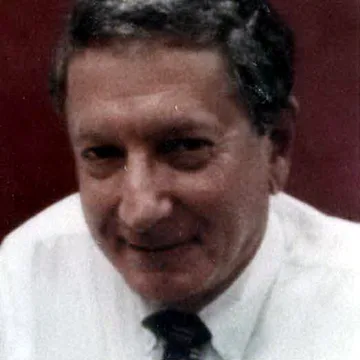
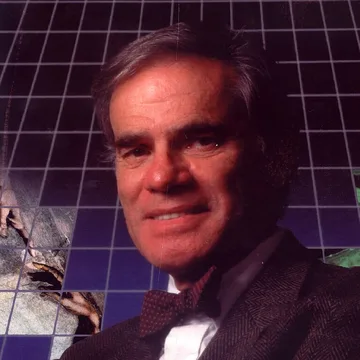
Alfred G. Gilman and Martin Rodbell
for their discovery of G-proteins and the role of these proteins in signal transduction in cells
Link to peptides: G proteins relay the signal of many peptide hormones to the inside of the cell. Rodbell made his discovery while studying the glucagon receptor.
Source: NobelPrize.org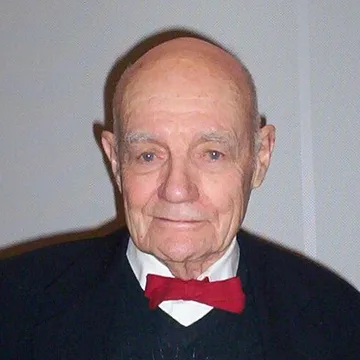
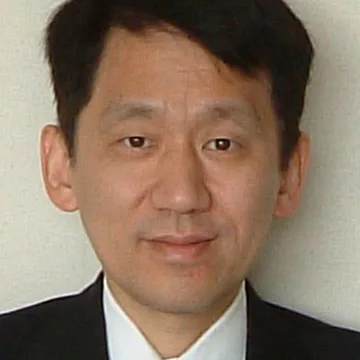
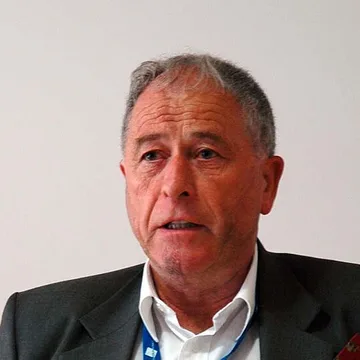
John B. Fenn, Koichi Tanaka and Kurt Wüthrich
Fenn and Tanaka: for their development of soft desorption ionisation methods for mass spectrometric analyses of biological macromolecules
Wüthrich: for his development of nuclear magnetic resonance spectroscopy for determining the three-dimensional structure of biological macromolecules in solution
Link to peptides: Mass spectrometry (ESI and MALDI) confirms the identity of each peptide, and NMR solves its structure in solution.
Source: NobelPrize.org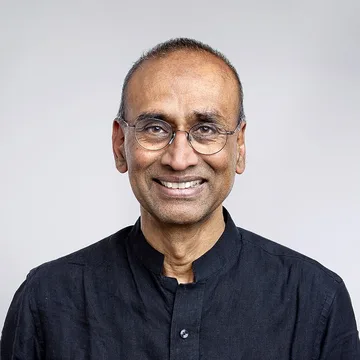
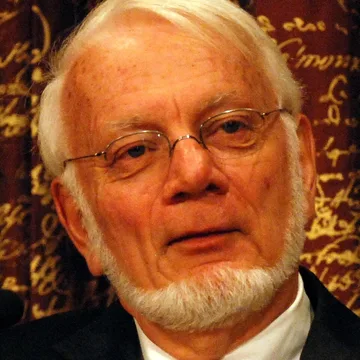
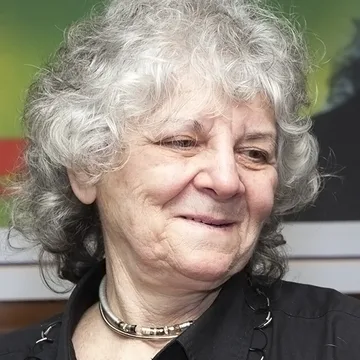
Venkatraman Ramakrishnan, Thomas A. Steitz and Ada E. Yonath
for studies of the structure and function of the ribosome
Link to peptides: They showed at the atomic level the ribosome, the cell's machinery that joins amino acids through peptide bonds.
Source: NobelPrize.org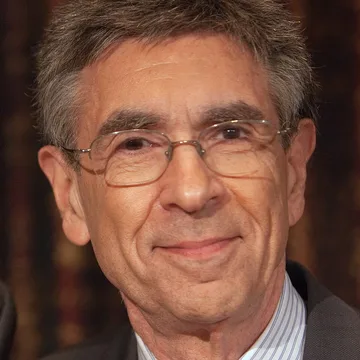
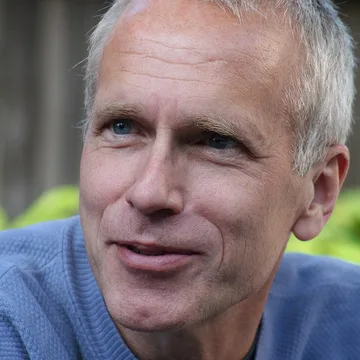
Robert J. Lefkowitz and Brian K. Kobilka
for studies of G-protein-coupled receptors
Link to peptides: The receptors for GLP-1, GIP, glucagon and ghrelin belong to this receptor family (GPCRs).
Source: NobelPrize.org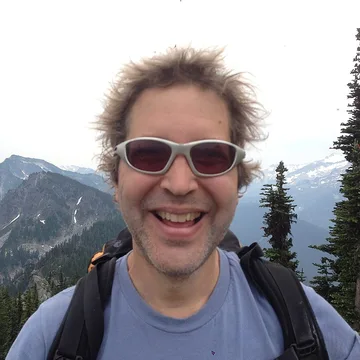
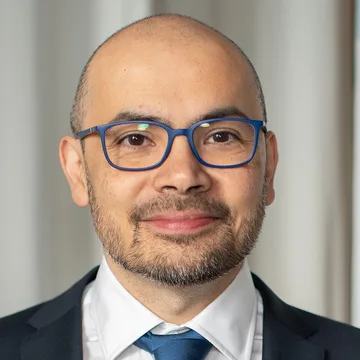
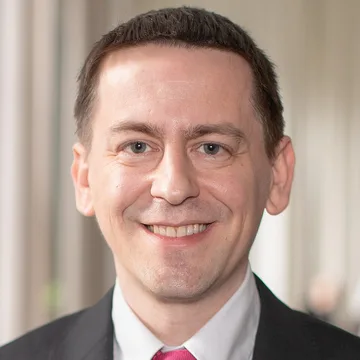
David Baker, Demis Hassabis and John Jumper
Baker: for computational protein design
Hassabis and Jumper: for protein structure prediction
Link to peptides: Computational design and structure prediction (AlphaFold) now speed up the design of new peptides and proteins.
Source: NobelPrize.orgIn 2024 the Lasker~DeBakey Clinical Medical Research Award, one of the most important medical honors in the United States, went to Habener, Mojsov and Knudsen for GLP-1-based drugs. Source: Lasker Foundation
Primary sources, official records and peer-reviewed reviews consulted for this page.
Images. All photographs are historical and come from Wikimedia Commons, in the public domain or under a Creative Commons attribution licence, as indicated in each caption. Sanger, 1960: Willy Pragher, Landesarchiv Baden-Württemberg, CC BY 4.0. Banting (crop of the 1921 photo): Henry Mahon, Thomas Fisher Rare Book Library, CC BY 2.0. Macleod, around 1928: public domain. Guillemin, around 1975: National Library of Medicine, public domain. Schally: U.S. government, public domain. Yalow, 13 October 1977: US Information Agency, public domain. A sepia tone was applied to all photographs.
Laureate portraits. Photographs from Wikimedia Commons in the public domain or under a Creative Commons licence, cropped and sepia-toned. Christian B. Anfinsen: Hubbard, Edward A.; National Institutes of Health, public domain. David Baker: Jeffreyjgray, CC BY-SA 3.0. Stanley Cohen: unknown author, public domain. John B. Fenn: unknown author, public domain. Emil Fischer: Atelier Victoria, 1895, Wellcome Collection, CC BY 4.0. Alfred G. Gilman: NIH historic image, public domain. Demis Hassabis: John Sears, CC BY-SA 4.0. Dorothy Crowfoot Hodgkin: University of Bristol, CC BY-SA 2.0. Robert W. Holley: Sol Goldberg, public domain. Bernardo Houssay: unknow (uploader Claudio Elias), public domain. Earl W. Sutherland Jr.: unknown author, public domain. John Jumper: John Sears, CC BY-SA 4.0. John C. Kendrew: unknown author, public domain. H. Gobind Khorana: unknown author, public domain. Brian K. Kobilka: Charles Parnot, CC BY-SA 2.0. Robert J. Lefkowitz: Bengt Nyman, CC BY 2.0. Rita Levi-Montalcini: Kurt Hagblom, Firma Hagblom-Foto, restored by Adam Cuerden, public domain. Archer J. P. Martin: unknown author, public domain. Marshall W. Nirenberg: Hecht, Gerald V. (National Institutes of Health)., public domain. John H. Northrop: unknown author, public domain. Linus Pauling: Nobel Foundation, public domain. Max F. Perutz: Unknown, SVENSKT PRESSFOTO, public domain. Venkatraman Ramakrishnan: Royal Society uploader, CC BY-SA 4.0. Martin Rodbell: unknown author, public domain. George P. Smith: Bengt Nyman from Vaxholm, Sweden, CC BY 2.0. Wendell M. Stanley: unknown author, public domain. Thomas A. Steitz: Prolineserver (talk), CC BY-SA 3.0. James B. Sumner: unknown author, public domain. Richard L. M. Synge: unknown author, public domain. Koichi Tanaka: 日本学士院, CC BY 4.0. Arne Tiselius: Nobel Foundation, public domain. Gregory P. Winter: Aga Machaj, CC BY-SA 4.0. Kurt Wüthrich: DerHuti, CC BY-SA 3.0. Ada E. Yonath: Hareesh N. Nampoothiri, CC BY-SA 3.0. Stanford Moore, William H. Stein and R. Bruce Merrifield are shown with initials because no portraits with a verifiable free licence are available.